
Blog & News
Consider lard
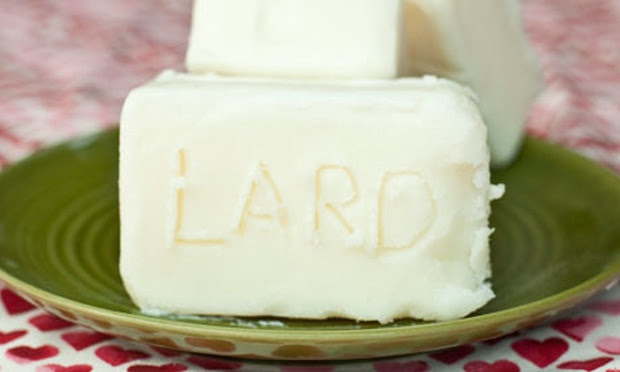
Thanks for getting this far. A headline like “Consider lard” will cause many readers to click away in horror, feeling arteries fur, strokes striking, the tempting of fat and fate at the sight of this four letter word. Lard ranks among the most reviled foods in the western world. As Roy Hattersley came to know its very name is a playground metonym for fat. Once, it was the great cooking fat of Europe, from Shetland to Gibraltar and east beyond the Caucasus, in China, Mexico, in South America.
In Ukraine they have a festival devoted to it. Polish immigrants caused a UK shortage in 2004. If your ancestors came from these islands they likely opened their lard-ers and ate bread, lard and salt for countless breakfasts. And not many of them died of obesity. For thousands of years there has been lard wherever there were pigs, and there were pigs, broadly speaking, wherever there weren’t Muslims.
It’s a supremely versatile fat. Because it smokes so little when it’s hot it’s perfect for bringing a golden shatter to a chip or a fritter – only dripping, lard’s bovine equivalent, does a better job. (A specific kind of lard is also called dripping, but let’s not muddle things.) Its large crystals of fat make lard unsurpassable in baking: a pastry crust made with lard – or half-lard, half-butter, as Delia recommends – offers a stunning flaky shortness, that gently encompassing roundedness that wine buffs horribly call mouthfeel.
Before the second world war Britons ate lard without guilt or fear. Its disappearance from our kitchens parallels a surge in the national waistline and an upswing in the cosseted maladies of fat. It’s worth remembering that the very people who so trumpeted the benefits of factory margarine – which we now know caused considerably more harm than good – were the same who lambasted lard and denied its natural glories.
By any estimation, lard is a healthier fat than butter. Gram for gram, it contains 20% less saturated fat, and it’s higher in the monounsaturated fats which seem to lower LDL cholesterol (the “bad” kind) and raise HDL (the “good”). It’s one of nature’s best sources of vitamin D. Unlike shortening it contains no trans fats, probably the most dangerous fats of all. Of course it has more saturated fat than olive oil, but in her splendid book Fat: An Appreciation of a Misunderstood Ingredient, Jennifer McLagan points out that even its saturated fat is believed to have a neutral effect on blood cholesterol. And would you want a pie crust made with extra virgin?
Leaf lard, the highest-quality, surrounds a pig’s loin and kidneys. (Roast pork loin, incidentally, gives the best crackling.) Next in value are the fat on the animal’s back, appropriately called fatback, and the the soft fat from around the internal organs, which has a more pronounced porky flavour. There are two main methods to make or “render” lard: wet and dry. In wet rendering you boil the fat in water. To dry render you simply melt it in a dry pan and skim off any crunchy bits of meat and skin. (Salted, these become the world’s best scratchings.) Wet-rendered lard has a clean, neutral flavour and a high smoke point, while dry-rendered is a nut-brown colour, smokes at a lower heat and tastes faintly of well-roasted pork. The industrial lard of the supermarkets may well have been bleached, deodorised, emulsified and otherwise fiddled with, but homemade or small-scale lard is likely to be be excellent. A kindly butcher might well give you a load of hard pig fat for free to take home and render (unto) yourself.
The best thing about lardy cake is its counterintuitive lightness – the fat brings the dough a refreshing, silky fluffiness. The cake originates in Wiltshire, which was always Britain’s best pig county. In central Europe they cut fatback into cubes and salt it for stews. The Italians cure lardo with rosemary and spices in the coffin-shaped basins of the Carrara marble mines. This lardo di Colonnata is a sublime antipasto, wrapped round prunes or figs, melted over grilled bread, or served with salt and honey. A melting smear of cured, flavoured lard is a wonder over a steak, and a lot of Mexican cuisine (don’t laugh) is unthinkable without lard.
Assaulted by food company propaganda and disillusioned by decades of conflicting advice, many people are returning to diets unsullied by fads and dogma. That lard is both “healthier” than butter and yet so despised shows the empty logic of the standard position. The fat amply qualifies as “real food”, that definition popularised by Michael Pollan as “the sort of food our great grandmothers would recognise as food”. Indeed, its history and heritage make it seem more valuable than ever when you consider what the lard hath given.
https://youtu.be/KddkyZ1UG5g
Read the original post: http://www.theguardian.com/lifeandstyle/wordofmouth/2011/feb/15/consider-lard
The taming of the pig took some wild turns
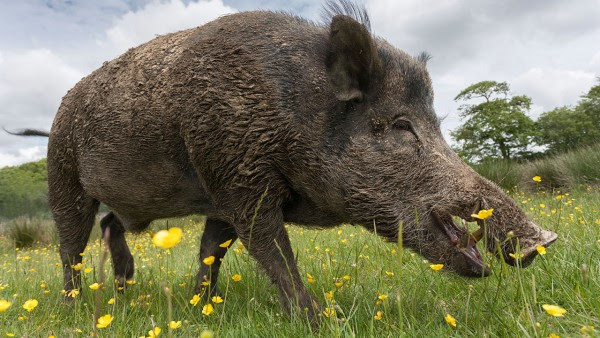
The next time you slice into a juicy pork chop or chow down on some sausage, see whether you can pick up the taste of wild boar. Farmers may have domesticated pigs 9000 years ago, but genome studies now show that in those early centuries, trysts with wild animals were quite common, particularly in Europe. In fact, they were so common that genes from the founding stock have all but disappeared. The new work not only sheds light on where pigs come from, but it also speaks to how complex the process of domestication is compared with what we thought it was.
The results “challenge the assumptions of 100 years of research,” says Fiona Marshall, an anthropologist at Washington University in St. Louis in Missouri, who was not involved with the work.
In the 19th century, evolutionary biologist Charles Darwin pointed out that breeding led to striking differences between farm animals and plants and their wild counterparts, an observation that helped lay the foundation for his theory of evolution. Based on that thinking, researchers imagined that about 9000 years ago, humans corralled a few wild boars and—by separating them from their fellows and breeding them for favorable traits like tameness, size, and meatiness—they developed the domesticated oinkers that we see all over the world today.
But the story is not quite that simple. For one, archaeological evidence now indicates that pigs were domesticated at least twice, once in China’s Mekong valley and once in Anatolia, the region in modern-day Turkey between the Black, Mediterranean, and Aegean seas. For another, a 2007 study of genetic material from 323 modern and 221 ancient pigs from western Eurasia suggests that pigs first came to Europe from the Near East, but that Europeans subsequently domesticated local wild boar, which seemed to replace those original pigs.
Eager to get the record straight, Laurent Frantz, now a bioinformaticist at the University of Oxford in the United Kingdom, carried out sophisticated computer analyses of 103 whole genomes sequenced from wild boars and domesticated pig breeds from all over Europe and Asia. His adviser at the time, animal genomicist Martien Groenen of Wageningen University and Research Centre in the Netherlands, had sequenced these genomes and had gathered additional, albeit less complete, genetic data from 600 other wild and domesticated pigs as part of another study.
Domesticated animals have a large number of wild ancestors, Frantz, Groenen, and their colleagues report online today in Nature Genetics. Their data support the idea that pigs originated in two places. But Europe’s modern pigs are mongrel mixes derived from multiple wild boar populations. Some of their genetic material does not match any wild boar DNA collected by the researchers, so they think that at least some ancestors came from either an extinct group or from another group in central Eurasia. This anomaly suggests that pigs were herded from place to place, where they mated with this “ghost” population. Moreover, at one point—most likely in the 1800s, when Europeans imported Chinese pigs to improve their commercial breeds—a little Asian pig blood entered the mix.
The effort is quite impressive, says Carles Vila, an evolutionary biologist at the Spanish National Research Council’s Doñana Biological Station in Seville, Spain. “[It] uses this large amount of data to evaluate competing hypotheses and obtains very clear results.”
Those results are “part of the emerging story about long-term gene flow between domesticated and wild animals,” explains Greger Larson, a co-author and evolutionary biologist at Oxford. “We see this massive mosaic, with gene flow between east and west and between wild and domesticated.”
There have been hints before at this kind of interbreeding in dogs and in horses. But this work really drives home that, contrary to what researchers had long assumed, domesticated animals often mated with wild counterparts. And what happened in pigs—and possibly dogs and horses—may have happened in other animals, Vila says. Recent work in barley indicates that some crops have a similar history. “The separation between domestic and wild lineages is not always clear,” Vila notes.
Researchers have assumed that so much interbreeding should have caused boars and pigs to look more alike than they do. But apparently by always selecting animals that looked like pigs and not boars, these early farmers were able to enhance and maintain piglike behavior and traits. This selection likely created “islands of domestication,” sets of genes that were passed on in the pigs despite interbreeding, the researchers suggest. There are even a few islands—those that contain genes involved in behavior and size, key traits for domesticated animals—that are in the genomes of both European and Asian pigs, Larson reports. The idea of “islands” provides a “basal genetic model for understanding domestication that could be tested in other species,” says Ludovic Antoine Alexandre Orlando, an evolutionary geneticist at the University of Copenhagen, who was not involved with the work.
Similar islands are thought to enable new species to form. “We need to be looking at these special islands and how they are established and maintained,” says Alan Cooper, a molecular evolutionist at the University of Adelaide in Australia who was not part of the study. And Larson and his colleagues are doing just that by sequencing genomes of ancient pigs and boars to better pick out the islands and figure out when they first appeared.
Marshall looks forward to these and other efforts. “We have to completely rethink domestication processes,” she points out. “Genomics provides very exciting tools with which to do this.”
Read the original post: news.sciencemag.org
Chicherones and guacamole recipe
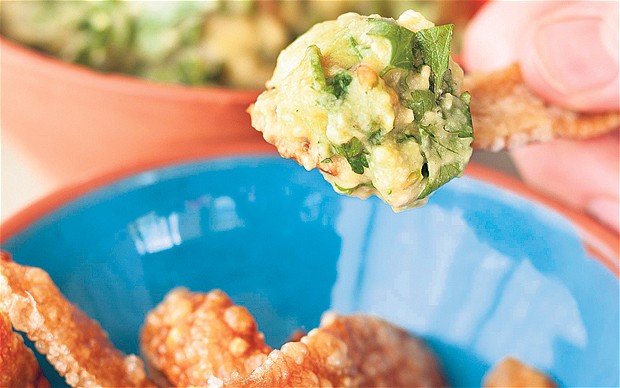
Chicherones is Mexico’s take on pork crackling. Serve with guacamole for a classic Mexican snack
INGREDIENTS
For the chicherones
- 7oz/200g pork skin, as much fat cut from it as possible
- Coarse salt
For the guacamole
- 1 or 2 large green chillies (Serrano if possible), chopped
- ¼ of a red onion, very finely sliced
- 1 big bunch of coriander, washed and dried, leaves picked from stems
- 5 small sweet cherry tomatoes cut in half
- 2 large very ripe avocado
- Juice of 2 limes
METHOD
Preheat the oven to 230F/110C/Gas ¼. Cut the skin into thin strips about 10cm (4in) long, and then put them in the oven for an hour and a half to render the fat and soften the skin.
Remove the pork from the oven and transfer it to a clean roasting tray. Then turn the oven up to its hottest setting (about 550F/300C/Gas 10). While the oven is heating up, make the guacamole.
In a large pestle and mortar, crush one of the chillies with the onion and coriander leaves, and then the tomatoes, which you should bash up a little bit. Scoop the flesh out of the avocados and add this to the mixture, crush the mixture with the pestle, but keep it a little coarse.
Season with salt and squeeze over the lime; taste and adjust acidity with more lime and check the salt. Add more chilli if it needs it: the guacamole should taste punchy and full. Return the pork skin to the oven at 550F/300C/Gas 10 for 5 to 10 minutes to allow it to puff up and become really crispy.
Pairing Wine with Fire in the Sta. Rita Hills

Paul Wellman (file)
PAIRING PINOT WITH BBQ: As both a chef and winemaker, the Hitching Post II’s Frank Ostini enters this Saturday’s grilling-meets-wine demo during the Sta. Rita Hills 10th Annual Wine & Fire Weekend with a distinct advantage — even if he isn’t cooking mammoth meat like cohort Peter Cargasacchi.
[divider style=”shadow”]
Like much of the greater wine world, Santa Barbara County is hitting a saturation point with events in which the wine itself can no longer be the only star of the show. Folks in the Sta. Rita Hills realized this back in 2006 when they started the annual Wine and Fire celebration, which pairs their world-class pinot noir and chardonnay with food cooked over open flames.
This year’s 10th annual affair — which kicks off with a party at the Sanford & Benedict barn on Friday night, peaks at the La Purisima Mission tasting on Saturday, and includes open houses all weekend — emphasizes the fire more than ever before, thanks to the BBQ Blast. Taking the place of the usual Saturday-morning seminar, this grilling demo features five teams of vintners, chefs, and their supporters showing off their chops and tips and assorted bits. They’ll pair finished dishes with their wines and explain which morsels go best with which sip and why.
To get a taste, I asked a few participants what to expect.
Which meat goes best with pinot?
Frank Ostini of the Hitching Post, teamed with Steve Fennell of Sanford Winery: Beef is king because that’s what they eat in Burgundy [with pinot noir], and what the Hitching Post II has successfully served with pinot for almost 30 years. But Saturday, the best match will be with smoked duck — the smoky, earthy, gamy duck will pair perfectly with Sanford & Benedict pinot noir.
Peter Cargasacchi, teamed with Loring Wine Company: Woolly mammoth, because it is the only true paleo meat that is being served. We will be serving woolly mammoth sliders with purple lichen slaw. We have been working with geologists in the Arctic Circle to create a menu that is fresh from the permafrost. Siberian baby woolly mammoth. When they chiseled the young wooly mammoth out of the block of ice, it still had fresh clover and buttercups on its lips. [Editor’s Note: It looks like pulled pork to us.]
Which meat with chardonnay?
Ostini: I’m pining for a Winfield Farm Mangalitsa pork chop, grown by Santa Ynez Valley rancher Bruce Steele, who is my neighbor. It is for sure the greatest “other white meat.” The white part of this is the fat that is so flavorful, rich, and glorious when grilled and cuts through the acidity of the Sta. Rita Hills chardonnay, making it a perfect match. I sort of wish we were grilling this.
Cargasacchi: I would probably have to say penguin, because it combines two culinary traditions, poultry and seafood. Penguin is the true Chicken of the Sea.
Why does cooking with fire go so well with Sta. Rita Hills fruit?
Kimberly LaMontagne, whose husband, Theron Smith, is teamed with Kessler-Haak: The complex flavors wood projects with its many layers completes my pinot noir, which I create to marry with BBQ. Thank you, wood, for helping my wine be “multilayer sex in a bottle!”
Ostini: You’re asking a guy who was born with a BBQ pit in his backyard. Cooking with fire is the original cooking. It is a big reason why we are Homo sapiens. It is a part of our DNA. So it goes with fruit from any valley in Santa Barbara County. With SRH fruit in particular, it is the acidity and the smoky, earthy, gamy characters that work so well with grilled food.
Cargassachi: Not all fire is created equal. A lot of our competitors will be using “strike anywhere” fire. Their fire has no soul. Our fire will be authentic paleo fire. We are bringing it from a lightning-strike-initiated forest fire. Everyone else’s fire has no sense of place — soul-less junk fire — it could be from anywhere.
Is a BBQ battle treading on the toes of your friends up in the Santa Maria Valley, where tri-tip was supposedly invented?
Ostini: Born in Santa Maria, and now living in the Santa Ynez Valley, I figure I’m rather bi-valley — as a chef and as a winemaker. And my family has been grilling in Casmalia outside of Santa Maria for 60-plus years. I have tons of respect for that, and my brother respects what we have done in Buellton.
Cargassachi: Tri-tip and oak grilling is a ranchero tradition. It’s authentic to all of Santa Barbara County. And as a matter of fact, the last woolly mammoths that existed were here on the Channel Islands. What could be more fitting than eating woolly mammoth in the last area that it freely roamed?
Will you be doing grilling, smoking, or BBQ?
Ostini: Yes, yes, and yes. Our duck is cold smoked first, and we will grill it over an oak wood fire, using our indigenous style that we here have always called BBQ. For me, the distinctions are blurred. The common element is the smoke flavor derived from the wood fire. What’s good about this “contest” is the chance for attendees to taste four distinctly different BBQ styles with great wines.
Cargassachi: We will be using a La Caja China roasting box, using indirect heat, to create succulent, juicy meat rather than the charred carbon that our competitors will be serving. After 15,000 years in the deep freeze, mammoth is fairly delicate and requires long, slow cooking over moderate heat to be at its most tender and flavorful.
Should wine grapes be included in BBQ recipes?
Ostini: Sta. Rita Hills fruit makes such good wine; it is a waste to use it in food. Maybe Central Valley grapes?
4•1•1
Wine & Fire runs Friday-Sunday, August 14-16. See staritahills.com for details and tickets.
Read the original post here: Santa Barbara Independent
Announcing Winfield Mangalitsa Salami Barolo
July 21, 2015
We’re delighted to announce the next chapter in our quest for superior flavor – Winfield Farm Mangalitsa salami barolo – the fruits of a unique partnership between three connoisseurs of good taste: Winfield Farm, Alle Pia and Palmina Winery.
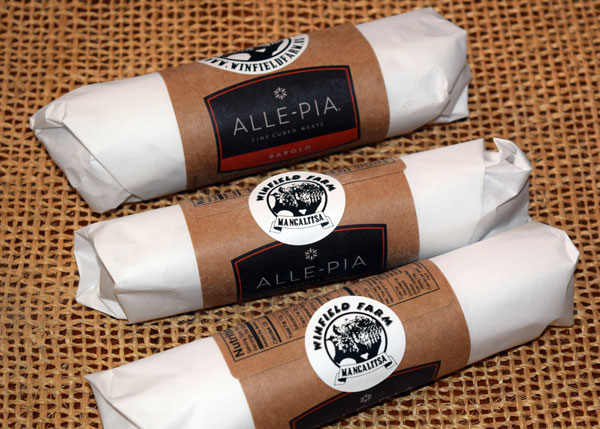
This story begins with a chance meeting with Antonio Varia, Chef and owner of Buona Tavola restaurants in Paso Robles and SLO, and his nephew, Alex Pellini. Both Antonio and Alex also create fine-cured meats at Alle Pia Handcrafted Italian Salumi. “It was our tradition in Italy to make salami each winter with our entire family,” Antonio says. He named his artisanal salumi-curing venture Alle-Pia in honor of his mother, Maria Pia Allesina. Their philosophy: “Alle-Pia Salami is made with the finest ingredients using traditional old world family recipes. Handcrafted and created with love under careful supervision in our USDA inspected state-of-the-art facility.”
Mangalitsa pork is renown for charcuterie, ranked among the best in the world for prosciutto, lomo, pancetta and the like. But what about salami? We posed the question to Chef Antonio and Alex. They had not worked with Mangalitsa before, but they were willing to try. We added another challenge: Alle- Pia’s traditional salami barolo recipe uses Italian wine — nebbiolo. But a local Santa Ynez Valley winery, Palmina, makes world-class nebbiolo also. What about producing a totally local product, utilizing Winfield Farm Mangalitsa pork and Palmina nebbiolo?
We approached Steve and Chrystal Clifton at Palmina and both were enthusiastic. Palmina is all about relationships. “Relationships that bring people back to the table to sustain themselves with good wine and food, conversation and a small respite from the hustle and bustle of today’s world.” According to the Palmina Wines website, “Palmina crafts wines that are a key part of that equation; wines that can be enjoyed everyday, and that complement and enhance a wide range of food styles.” Palmina produces wines from Italian varietals grown in Santa Barbara County, after Steve and Chrystal found that the climate and soil types here are similar to their favorite regions of Northern Italy.
Antonio and Alex also liked the local approach. So the experiment began. After close to two months of curing in Alle-Pia’s temperature-humidity-controlled room, we met to sample the results. Spectacular! Amazing! Creamy! Delicious! Actually, indescribably good!
So the partnership is cemented! Alle-Pia wants more Mangalitsa to cure (also eager to make lardo from Mangalitsa backfat and serve Manga loins in their Buona Tavola restaurants). Palmina Winery is planning to showcase Winfield salami Barolo at their 20th anniversary celebration in August, and will promote it in their tasting room. And we also will offer Winfield Farm Mangalitsa salami Barolo as a new product on our online Mangalitsa Market store.
Get it while you can! Supplies are limited now… (but we will be producing more…) https://www.winfieldfarm.us/?page_id=1111
Alle-Pia also makes a killer Tuscan salami with sangiovese – and Palmina also produces a sublime sangiovese…
A hand-written sign on the door to the curing rooms at Alle-Pia says, prophetically, “This is the beginning of something good.” Indeed! This partnership is just beginning… Stay tuned.
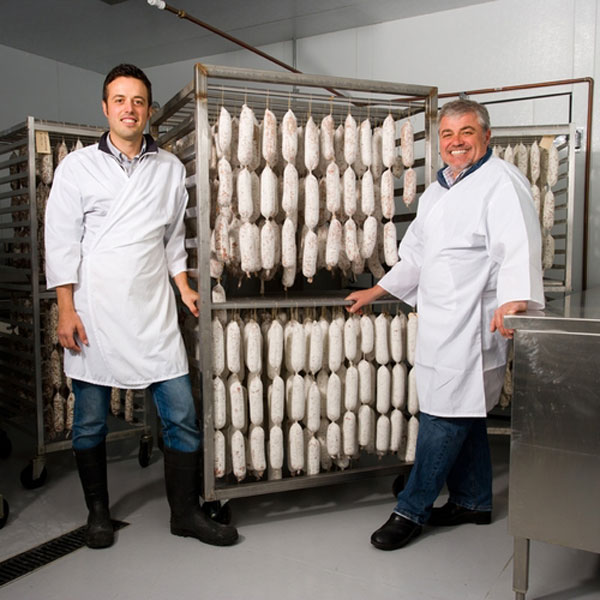
Alex Pellini and Antonio Varia
Heritage Serendipity
— Republished from Edible Santa Barbara 2015 Summer Edition —
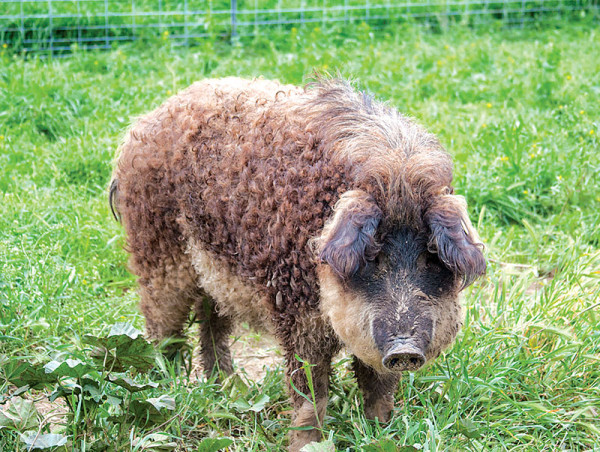
The Mangalitsa pig is a special breed known for its thick fat, but is also identified easily by its unique curly and wooly coat. Photo by Rosminah Brown.
Heritage Serendipity
Winfield Farm is run by Bruce and Diane Steele. Bruce had a longtime dream to have a pig that would help consume surplus produce on his farm. What ended up happening was an explosion of pigs that’s resetting the course of the farm’s operations and helping bring a heritage breed back into popularity that was once on a path of dying out.
Bruce started out as an urchin diver and fisherman, and in 2003 became a land farmer in Buellton on Highway 246 about three miles west of Highway 101. Winfield Farm is most easily spotted by his pale blue fishing boat parked at the base of the driveway. The farm had been in land production for 10 years before Bruce’s dream of having a pig first became a reality.
The Steeles specialize in just one heritage breed, the Mangalitsa, also called a Wooly Pig, and also known as a Lard Hog. The Mangalitsa stock hails from 19th century Eastern Europe. The Mangalitsa has exceptional fat and was the prize pork of Austro-Hungarian nobility at the turn of the century. Once you see how much fat is on its body, it’s a wonder this tenacious breed can move about quickly and easily at all.
The breed is considered rare, and it almost died out entirely. Because the Mangalitsa has so much lard, the breed was unpopular in the 1970s and ’80s when fat became unfashionable. Who remembers the ad campaign for “the other white meat?” It was almost extinction for the Mangalitsa. But thanks to the growing popularity of bacon and pork in general, a desire for rich flavor and unctuous texture in meat, and the recognition that genetic diversity is a good thing, the Mangalitsa is making a comeback and its smooth silky fat is now held in glorious esteem. Winfield Farm is currently the largest breeder of the Mangalitsa in Southern California.
The pigs are fed with fruit and vegetables from the farm with additional organic grain supplement. If Bruce sees an opportunity to feed them something local and readily available, he’ll give it to them. Like autumn acorns or winter squash. So much squash.
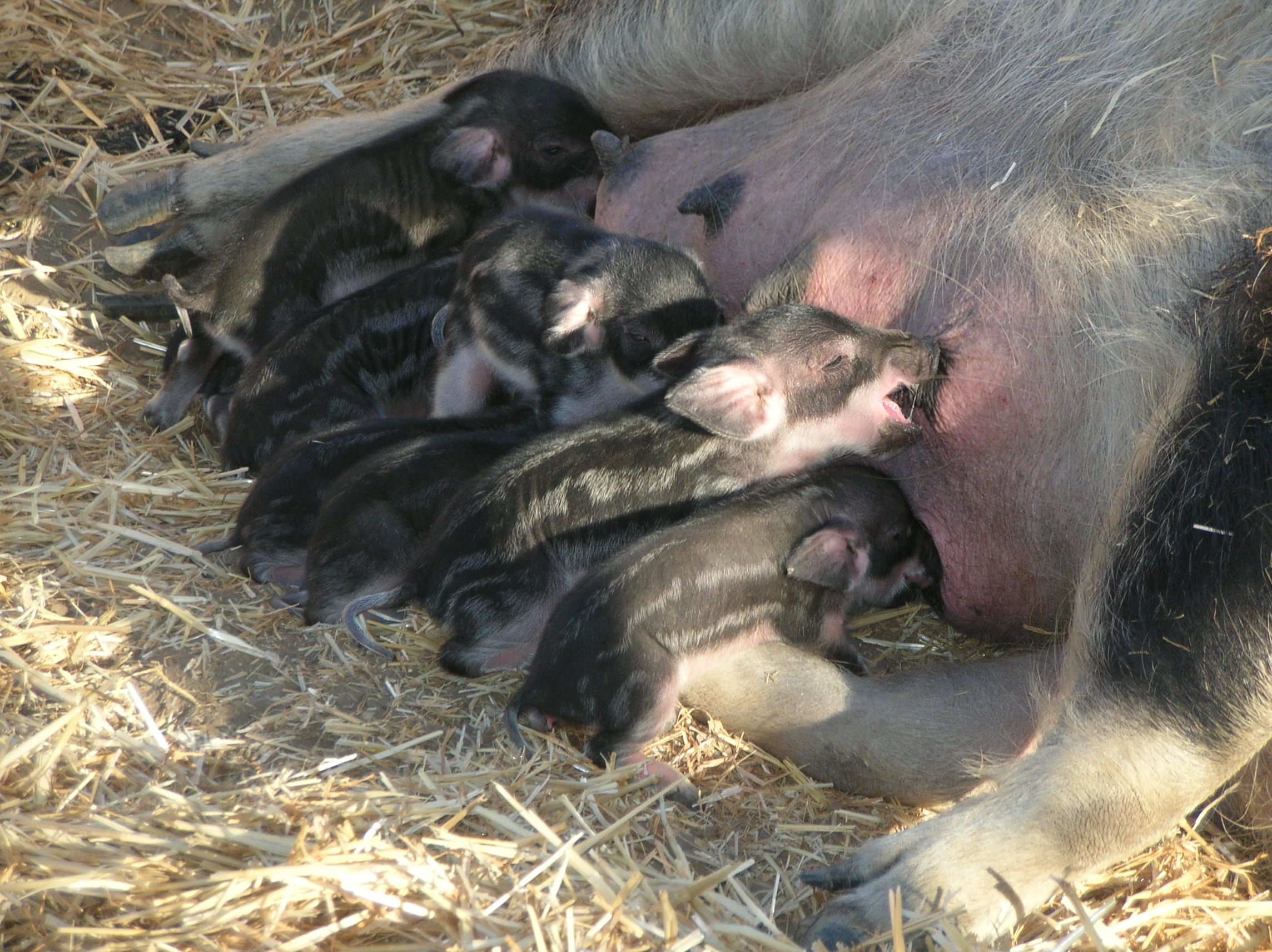
The Mangalitsa pigs seem to breed like crazy and the Steeles are excitedly incredulous at times that their initial investment in 2013 of a handful of pigs has become an increasing series of enclosures with their original pigs, then a serendipitous rescue of 13 additional Mangalitsas, plus their next generations. Now there’s new sets of spunky piglets that arrived over Christmastime, running around, squealing, rooting and foraging. They grow so quickly.
Bruce is often constructing new shelters for expectant sows to birth and nurse their young. It’s not all a fairy tale—the reality is that stillborns occur, and when some don’t make it due to a sudden cold snap or the lack of enough suckling teats to go around, it is upsetting to everyone. This is farm life and it comes with unanticipated death as well. As for their fondness of the Mangalitsa piglets, Bruce says with both a smile and a shake of his head, “they’re just so darned cute.”
Winfield Farm to Chef – Full of Life Flatbread
Winfield supplies whole pigs by order to local restaurants, such as Full of Life Flatbread in Los Alamos. Chef/owner Clark Staub purchased a whole Mangalitsa last summer, and he and his staff broke it down and processed it entirely. The specials menu ran fresh Mangalitsa dishes for several weeks, while its legs were set to cure for longer-term projects, like smoked hams, speck and lardo that started to grace dinner plates this past February.
Sourcing locally is important to Full of Life, and the relationship between farmer and chef in this case is especially close—Clark lives just a few miles away from Winfield Farm off Highway 246 and passes it daily on his way to the restaurant. Not only do we have the opportunity to eat this spectacular pork prepared by one of our county’s favorite chefs, but the two are collaborating on recipes for an upcoming Mangalitsa cookbook. Something to watch out for!
Resources
Direct purchase is available to the public, by ordering online or purchasing pork through the farm’s weekend produce stand. Winfield offers the magic of Mangalitsa in all varieties of cuts and processing. The primals, or basic large cuts, are the biggest and least expensive per pound, while packets of bacon, chops or sausages are available by the pound, which is a very approachable option for those making a first foray into local heritage pork. They are a great source for the Mangalitsa’s special feature: its fat. Both leaf fat and back fat can be bought, useful for making flaky pastry or cut into lean-meat sausages, respectively.
Slaughter and processing takes place farther north. Currently this requires driving the pigs to a USDA-certified slaughterhouse in Fresno; the Steeles hope to bring this closer to home when such an option becomes available. In Bruce’s ideal world, he would like to convert all this farming equipment to solar—even the tillers and plows.
Whole pig prices are $7 per pound, and are custom scheduled by contacting Winfield Farm. Select cuts in smaller portions range from $10 to $15 per pound. These can be bought by mail order, shipped or picked up in person at their weekend farm stand in Buellton.
Read the original post: Edible Santa Barbara
International conference on fat-type hogs in Herceghalom
The conference called Fatty Pig on fat-type hogs (including the more and more famous Hungarian Mangalitsa) might bring scientific and economic results. The conference was organized for the second time by the Research Institute for Animal Breeding and Nutrition and WESSLING Hungary Kft. on November 21 and 22 in Herceghalom, and it was attended by researchers and businessmen from all around the world.
Fat-type hogs play a key role in the production of high quality pork! Fat-type hogs are usually bred only in small populations, but in many parts of the world, and they represent a premium segment within the sector, and also enormous national, genetic and economic value. To utilize these values, it is outstandingly important to investigate and to understand more thoroughly their physiological and genetic properties. Mangalitsa is more and more well-known in the world and more and more sought-after by consumers – said Dr. József Rátky, director general of the Research Institute for Animal Breeding and Nutrition, co-organizer of the conference.
With genetic analysis against counterfeiting
For successful performance of a premium product on the market, in order to eliminate counterfeiting, traceability is indispensable, which is achieved by performing the necessary background analyses and molecular biological-genetic research. This was the goal of the MANGFOOD project, an undertaking of Biomi Biotechnological Service Kft., a joint venture of the independent analytical laboratory WESSLING Hungary Kft. and the Agricultural Biotechnological Center.
As Adrienn Micsinai, general manager of Biomi told us that, together with several other enterprises and scientific laboratories, a gene sequence specific to the Mangalitsa was found during the MANGFOOD project, which is suitable for the fast and highly accurate determination of whether the given product is really made of Mangalitsa. This way it was possible to differentiate genetically between Mangalitsa and other pigs. This solution can be used not only for products containg only one type of meat, but also for mixed products, e.g. sausages, and even the percentage Mangalitsa content can be determined.
The journey of the Mangalitsa
Elimination of counterfeiting is extremely important, since Mangalitsa today has an outstanding role in the Hungarian meat industry – emphasized Dr. Lajos Bognár, deputy undersecretary of the Ministry of Rural Development responsible for food chain contol supervision and agricultural administration. Mangalitsa was in a critical state in the 1990’s, but it was resurrected thanks to the gene preservation program that was started in 1995.
The fate of other fat-type hogs all over the world was similar to that of the Mangalitsa – said Péter Tóth, president of the National Society of Fat-Type Hog Breeders and the Genetic Resources Council of Indigenous Livestock. Ancient breeds were close to extinction and they were revived – concurrently with the appearance of a new demand for quality meat – by a few eager breeders, learning almost in a self-educated way all there is to know about this animal. And then they were joined by research institutes and economic players.
Lo Chin-Hsien Ra, owner of 551 HORAI, an Osaka-based Japanese restaurant chain came to Hungary specifically for the sake of Mangalitsa. He had heard a lot about the breed, and had already encountered Mangalitsa products in Japan. This was not an accident, because – as was told by Endre Nagy, general manager of Pick Szeged Zrt., known internationally for its excellent salami, among other things – the leading product of the company, “téliszalámi”, has been present in the Hungarian and world markets for 145 years, and its raw material is high weight, high quality pork, i.e. Mangalitsa.
Winfield Farm Spring Update
Spring is usually a busy time of year at Winfield Farm: tilling the soil, seeding and out-planting vegetable starts. This spring was doubly busy, with the arrival of 54 Mangalitsa piglets since March 18!
Although Bruce managed to plant some spring carrots, beets, potatoes, shishito peppers and heirloom tomatoes, and just finished planting a row of Costa Romanesco zucchini squash, most of his waking hours have been devoted to pig husbandry. In fact, heirloom Mangalitsa wooly pigs have become Winfield Farm’s mainstay!
Bruce has turned over most of our fields to pig rearing, so planted pasture instead of produce, and spends a lot of time building and moving fence. We corral our pigs with hog panels wired together so he can rotate the herd: when the little shovel-noses root up one section, he moves them to new turf. People driving along Highway 246 from Lompoc to Buellton can spy our herd of purebred swallow-belly Mangalitsas cavorting in the field. These wooly haired pigs look a lot like black sheep.
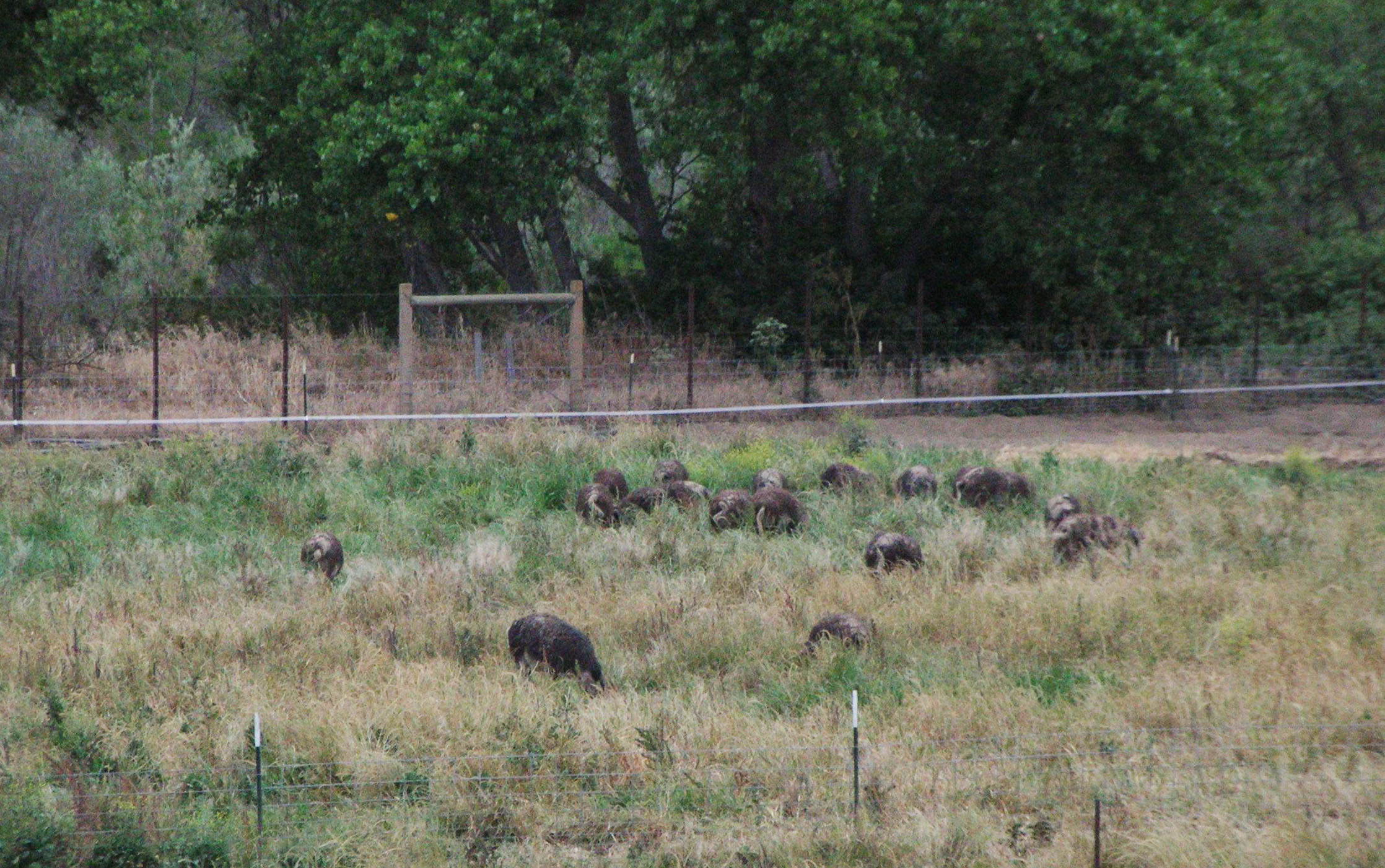
The 54 new arrivals are the offspring of 8 sows and 4 boars (3 more sows produced another 20 piglets last winter) – so our Mangalitsa herd now numbers more than 100 pigs total. It’s amazing to think that just 2 years ago we began this pigdom with only two pigs. We’re now able to provide fresh (or fresh-frozen) Mangalitsa pork virtually year-round.
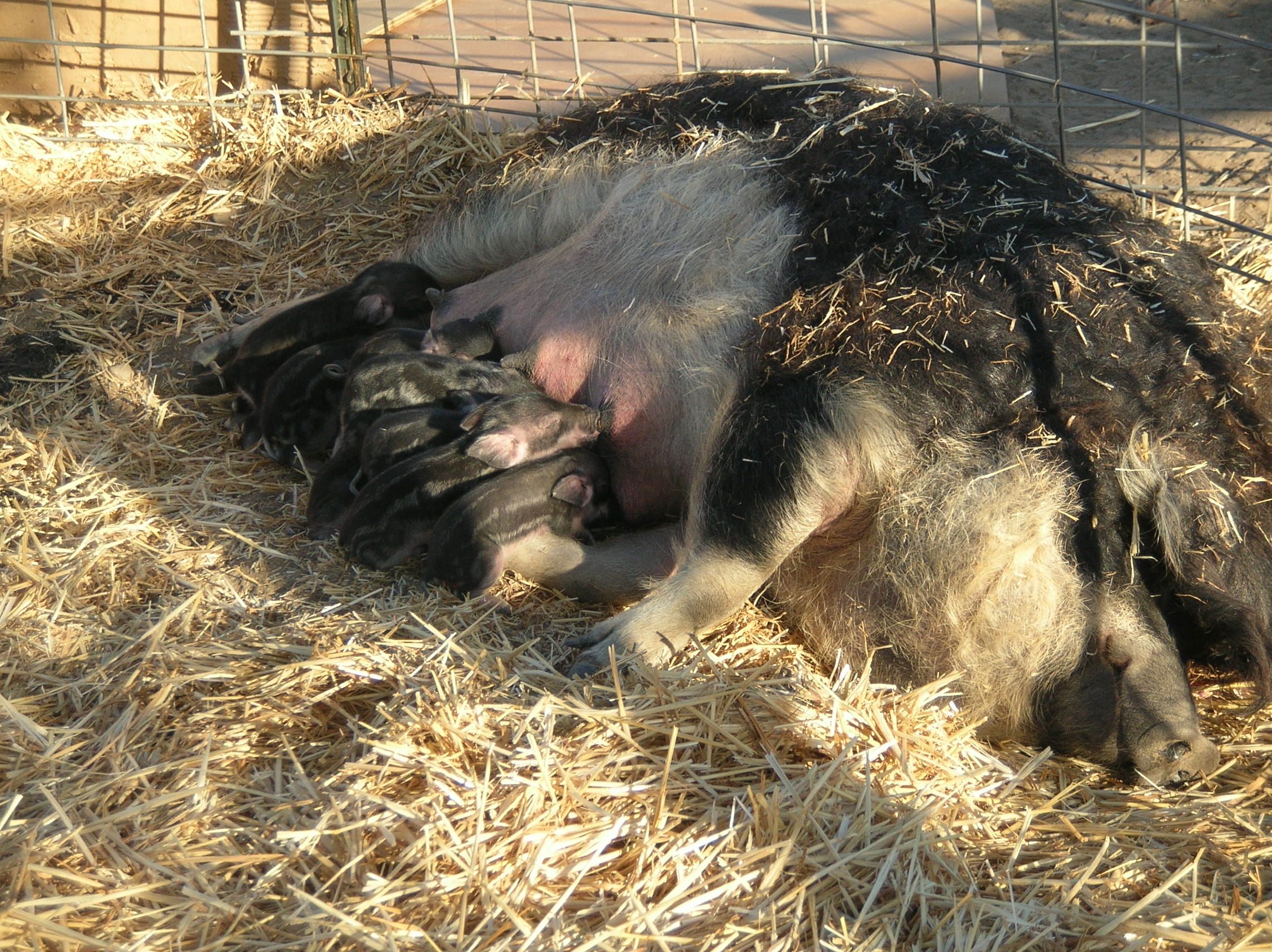
We’re marketing our heritage Mangalitsa pigs to a growing number of discerning restaurants in the Santa Ynez Valley and beyond. For example, you’ll often find Winfield Mangalitsa prosciutto, lomo and pancetta at Industrial Eats restaurant in Buellton, and Clark Staub at Full of Life Flatbread in Los Alamos makes magical dishes – and pizzas – with Winfield Mangalitsa pork.
We also offer USDA certified, cryovac packaged frozen Mangalitsa pork products on our online Mangalitsa Market store.
We recently took several pigs to market, so have a fresh supply of frozen cuts available, including chops (a handful of skin-on, bone-in loin and a lot of skin-on, bone-in rib with a glorious cap of pure white Mangalitsa fat), bone-in sirloin roasts, smoked hams (both bone-in and boneless), sliced bacon (and a couple of belly slabs), ground sausage (fresh and sweet Italian flavors in bulk 2-lb packs), smoked hocks (yummy!), trotters and leaf lard (the best baking fat EVER!).
Please call us at (805) 686-9312 or email us at bruce@winfieldfarm.us to order.
Or you can order from our online store, but please call first to make sure we still have what you want. If we don’t have it now, we can custom-order it for you the next time we go to market. We’ll be taking more pigs to market in late June, and at least monthly throughout the summer and fall.
If you haven’t tried Mangalitsa pork yet, you’re in for a treat. Try Winfield Mangalitsa and taste the magic for yourself!
The Mangalitsa Pig: Royalty is Coming to America
By Francesca Shanks on May 1, 2015
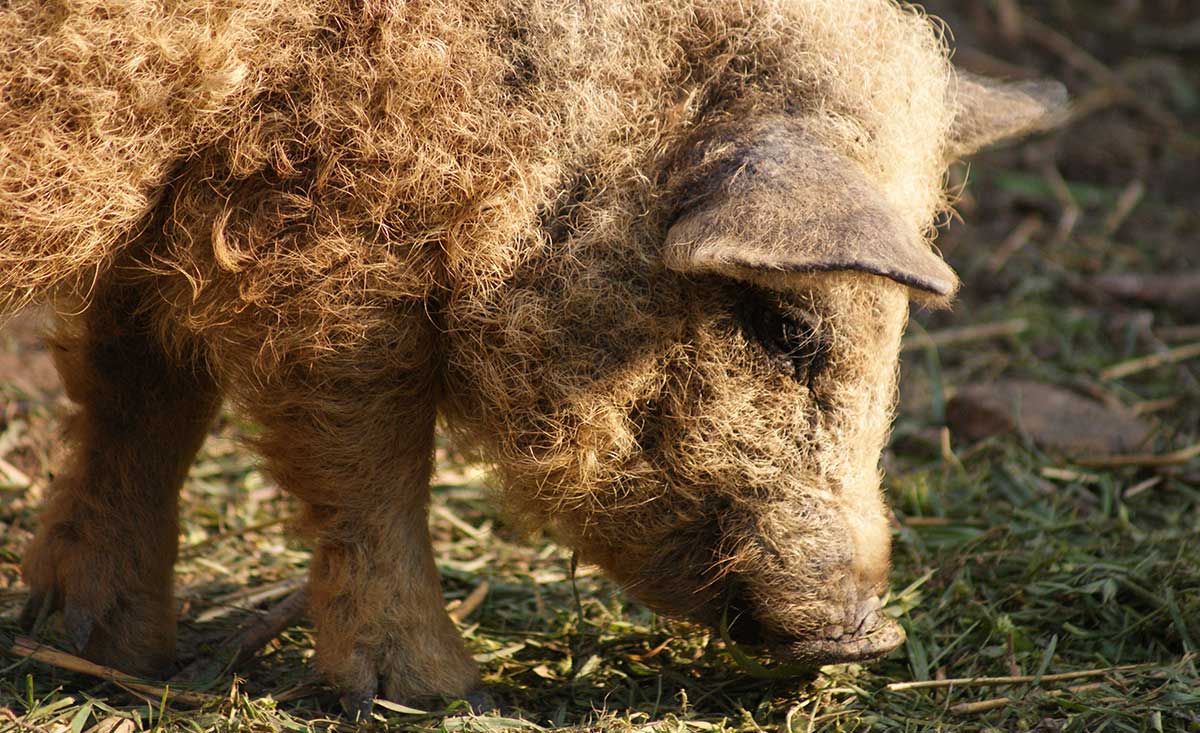
This book is a love letter to a unique Hungarian pig breed, a breed whose history seems miraculous when compared to America’s agricultural traditions.

The curly-haired Mangalitsa’s “genetics have remained untouched since 1833”—an almost unbelievable story for those acquainted with large-scale agriculture in the U.S. But raising these pigs is a long game—they aren’t bred to fatten up quickly. They’re renowned for their taste and the quality of their lard, and they’ve found their way to several of the country’s highest-rated restaurants in recent years.
But, according to the book’s authors, this almost wasn’t so: in the early 1990s, less than 200 Mangalitsa pigs remained, prompting Peter Toth and a partner to buy a herd of 50 from a Hungarian farmer in order to expand the Mangalitsa’s numbers. Today, Toth is president of the Hungarian National Association of Mangalitsa Breeders, and, he writes, the breed is 10,000 strong.
TheMangalitsa_recipes-1Mangalitsa pigs are now (again) a big part of Hungarian cuisine, as 23 Hungarian chefs demonstrate with recipes that incorporate Mangalitsa cuts, from lard to brain to loin. Each beautifully photographed recipe comes with a short chef profile and detailed instructions—make Zsolt Litauszki’s Mangalitsa rillette in breadcrumbs with fermented wax beans, or simply marvel at Antonio Fekete’s “Apple dessert,” a white chocolate-covered molded apple mousse complete with dark chocolate stem (no pig included in this recipe).
If you’re desperate to taste Mangalitsa for yourself, there’s a list, including a map, of Hungarian restaurants at the back of the book, plus a couple of pages advertising Mangalitsa farmers in the U.S.
This beautiful book, with gold-embossed title and incredible photography, is translated from Hungarian, which, unfortunately, results in some typographical errors. This may drive you crazy if you’re an editor type, but don’t let it get in the way of the opportunity to read about this fascinating pig breed. If you are interested in a story that merges fine cuisine with a passion for animal husbandry, you’ll enjoy The Mangalitsa Pig, and probably learn something, too.
The Mangalitsa Pig: Royalty is Coming to America
by Mate Dobesch, Wilhelm W. Kohl, Peter Toth, Beata Bencsics, Eszter Szalai (Translator)
247 pages; Boook Publishing Hungary, 2014
Read the original post: modernfarmer.com
10 Reasons You Should Be Cooking With Lard
The Huffington Post | By Julie R. Thomson
In a not so distant past (about a century ago) and in a not so foreign land (like, in America), lard was the fat that people cooked with. It wasn’t butter. Nor canola oil. And definitely not extra virgin olive oil.
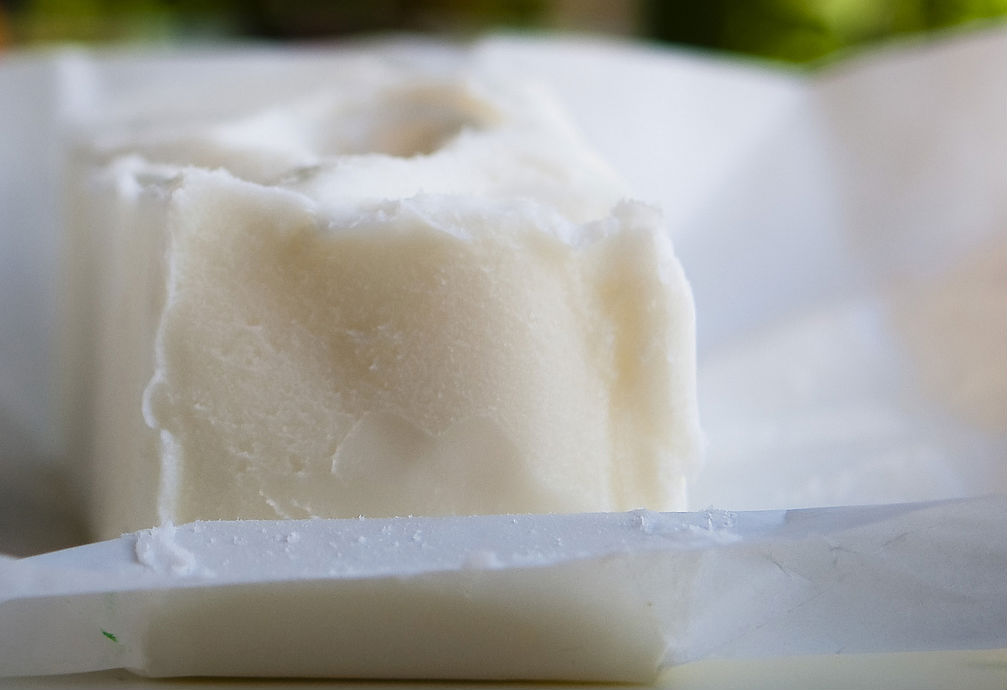
Lard — rendered pig fat — was what people used when they needed to make pastry; when dinner needed frying; and even as a quick breakfast, eaten smeared on a piece of bread. So much has changed in our recent history. Lard is not only out of favor, it’s even considered a derogatory word.
We’re not going to get into how or why this happened — though Crisco and Upton Sinclair have gotten most of the blame — we’d just like to focus on bringing this glorious cooking (and baking) fat back into people’s kitchens. It’s time to let go of the lard stigma and enjoy great pie crust again. Let us make our case:
- Lard makes the best fried chicken. Crisp like a spring morning.
- It’s an extremely versatile fat. It doesn’t smoke at high temperatures so it’s perfect for frying. It does wonders while roasting. And its large fat crystals mean it makes the flakiest of pastries.
- Mexican tamales just wouldn’t be the same without it. Word.
- It has less saturated fat than butter. (Though not the same glorious flavor.) We’re not going to make any health claims about lard — because what do we Taste editors know about health? — but we can report what we’ve learned: lard has 20 percent less saturated fat than butter; it’s higher in monounsaturated fats which are said to lower LDL cholesterol; and it has none of the trans fat that shortening does. Chew on that.
- It makes for the flakiest of pie crusts. And one that’s pliable and easy to form.
- Despite what you may think, it does not impart a pork flavor. This is not bacon grease here, but rendered lard — preferably leaf lard which surrounds the loin and kidneys. It makes everything cripsy without leaving a trace of flavor behind.
- Vegetables roasted in lard come out crisper than you thought possible. As much as we love olive oil roasted veggies, sometimes they’re just too greasy and, well, a little soggy too.
- It’s sustainable. Cooking with lard is one way of guaranteeing you use every part of the hog. Some of the best restaurants, like Husk, are focused on that aim and bringing lard into fine dining.
- Biscuits. A southern lard biscuit recipe will make you wonder why you mess with anything else.
- Lard is even good on a piece of bread, in place of butter. Try it.
Read the original story: www.huffingtonpost.com